
Grand Isle sits on Lake Champlain, where waterfront parcels, rural homes, and seasonal camps all present different tree care needs. Narrow town roads, damp shoreline soils, and mature sugar maples and white oaks can make access and tree health harder to manage. Tree care professionals in South Burlington know how to work around tight entry points, handle wind-affected canopies, and protect root systems on island properties that need safe, efficient service.
That is why so many property owners in Grand Isle, VT turn to Arbor Tree Care for year-round maintenance.

Prefer to Talk to An Expert?
(802) 230-4338
Why Grand Isle Property Owners Rely on Local Experts
Crews with local experience understand the island’s road limits, lakefront wind exposure, and mature hardwood mix. That knowledge shapes every job, with equipment and methods chosen for Grand Isle conditions, including soft soil, winter ice damage, and limited work space.
From professional stump removal solutions near the Route 2 causeway corridor to expert tree pruning services along East Shore Road, each project is completed with accuracy and long-term property care in mind.
If you care about your landscape, let local contractors keep your canopy shaped, your access open, and your property safe in Grand Isle.
Our Tree-Service Services
in South Burlington, VT, Include
A Service Area Shaped Around Grand Isle Neighborhoods
Lake exposure and narrow gravel roads make tree care here very different from a standard suburban job. Local professionals use site-specific methods for every waterfront lot and rural parcel in Grand Isle.
It makes no difference whether the property is a seasonal camp on West Shore Road, a full-time home in the village center, or a larger lot near Knight Point State Park.
From tree trimming and tree removal to storm damage response and landscape design, services are planned around the island setting and the needs of each site.
Grand Isle's Mature Island Canopy, Shaped by Local History
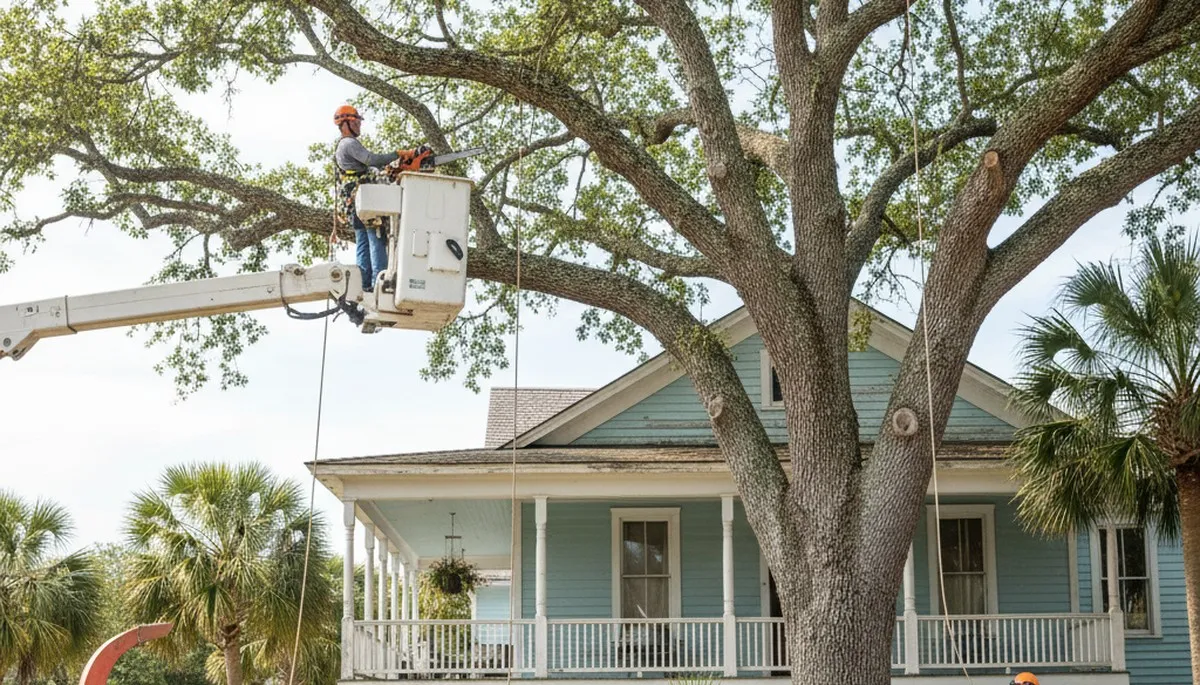
Grand Isle grew as a farming and fishing community on Lake Champlain, and over time many properties became seasonal retreats or year-round homes. That history is still visible in the large hardwood trees, stressed shoreline roots, and wind-shaped canopy corridors that influence how tree work is done today.
Wind-Stressed Canopy Along the Lakeshore
Many Grand Isle properties, especially those along West Shore Road and the northern waterfront near Pelots Point, face steady wind pressure from Lake Champlain’s prevailing westerlies. Over time, that can lead to broken limbs and uneven crowns, creating safety concerns for structures and access problems for crews.
Local professionals address these issues with selective crown reduction, structural pruning to balance weight, and careful deadwood removal to reduce storm risk and avoid future access complications.
Aging Sugar Maple and White Oak Stands
The area’s mature hardwoods add beauty and shade, but they can also bring root and structural concerns. Older sugar maples and white oaks may develop weakened root flare areas or hollow sections in the trunk, which can lead to sudden limb failure and hazards at ground level.
Professionals manage these trees through thorough health evaluations, tree disease treatments for fungal issues common in humid lakeside settings, and tree fertilizing plans suited to the island’s clay-heavy soils.
Soft Shoreline Soils and Root Instability
Seasonal shifts in the water table make it difficult for many Grand Isle trees to stay firmly anchored in saturated shoreline soils. Properties near the ferry landing and along the eastern shore are especially vulnerable to windthrow during late-season storms when the ground stays soft.
Trusted crews protect these areas with root protection methods, soil aeration around key root zones, and strategic removal of compromised trees to improve long-term stability and safety.
Ice Storm and Winter Damage Patterns
Grand Isle’s position on Lake Champlain leaves it exposed to freezing rain that can coat limbs with heavy ice and bring down whole trees or major branches across roads. These events often affect properties along Route 2 and the interior roads that connect Grand Isle with North Hero.
Experienced crews respond with storm damage assessment, aerial inspection when needed, controlled limb removal, and emergency clearing work to restore safe access during Vermont’s icy shoulder seasons. Neighbors in South Hero, VT face similar island weather challenges, and coordinated regional response helps serve the Champlain Islands corridor.
Narrow Road Access and Equipment Constraints
Grand Isle’s gravel lanes and private camp roads often make staging large machinery and hauling debris more difficult than on mainland properties with wider driveways.
Local pros rely on compact track equipment and hand-rigging systems, with a focus on protecting the site and containing debris so tree work can be completed even when access is limited. Property owners in Milton, VT also work with professionals who understand rural road constraints, and that same approach works well in Grand Isle.
For ideas on how to keep your Grand Isle property maintained year-round, request a free quote from a local professional in Grand Isle by calling (802) 230-4338. Every property deserves safe access. Let Arbor Tree Care help you maintain it!
Kick Off Your Tree Service Project Today

Tree Services in Grand Isle, VT: Care for Every Season
From routine canopy maintenance to emergency storm response, here is how local pros keep properties structured, accessible, and healthy throughout the year:
Routine Tree Trimming and Pruning in Grand Isle, VT
- Crown Reduction for Lakeshore Properties: Overgrown canopies along West Shore Road and Pelots Point benefit from careful crown reduction that lowers wind pressure and branch loading while protecting tree health.
- Seasonal Pruning for Sugar Maples: Mature sugar maples across the Grand Isle village center often need dormant-season tree pruning to remove deadwood and support healthy spring growth.
- Clearance Trimming Along Township Roads: Branches hanging low over Route 2 and interior gravel roads can interfere with vehicles, and routine tree trimming helps prevent those problems.
- Structural Pruning for Young Plantings: Newly planted trees near Knight Point State Park benefit from early structural pruning that guides strong branch development before issues take hold.
- Vista and Sight-Line Pruning for Waterfront Lots: Selective pruning on lakefront properties helps preserve views of the water while keeping the canopy healthy and reducing the chance of branch drop over docks and shoreline structures.
Schedule routine pruning before spring leaf-out or after fall dormancy to help Grand Isle hardwoods stay strong through each seasonal change.
Tree Removal Services in Grand Isle, VT
- Hazardous Tree Removal Near Structures: Dead or unstable trees near camps and year-round homes need controlled tree removal before storm season adds more risk.
- Storm-Damaged Tree Removal: Ice storms and nor’easters can split large limbs or bring down entire trees across Grand Isle properties, making fast removal important for safety and access.
- Dead Tree Removal from Shoreline Zones: Standing dead trees near the lakeshore can fail in high winds and require careful rigging to keep debris out of the water.
- Invasive Species Removal: Buckthorn and other invasive woody growth have taken hold on some Grand Isle parcels and often require targeted shrub removal and ongoing follow-up to slow regrowth.
- Pre-Construction Clearing: Property owners planning additions or outbuildings near the Grand Isle ferry corridor often need professional clearing that prepares the site without harming desirable nearby trees.
Removing hazardous or dead trees before winter can help lower ice storm damage risk and protect structures, roads, and nearby properties throughout Grand Isle.
Stump Grinding and Cleanup in Grand Isle, VT
- Stump Removal After Hardwood Removal: After large sugar maples or oaks come down, stump removal clears tripping hazards and makes space for lawn repair or replanting.
- Shoreline Stump Clearing: Stumps close to the waterline can complicate erosion control and shoreline upkeep, so grinding them flush helps stabilize the bank and improve access.
- Multiple Stump Clearing on Rural Parcels: Larger Grand Isle properties with old woodlot clearing often have several stumps that need to be ground down to reclaim usable yard or garden space.
- Root Flare Grinding Around Driveways: Stump and surface root grinding along camp driveways and gravel lanes removes obstacles that can damage vehicles and interfere with snow removal.
- Post-Grinding Soil and Debris Cleanup: After grinding, crews backfill the area with topsoil and remove wood chips, leaving the property neat and ready for lawn care or replanting.
Stump grinding in late fall or early spring gives Grand Isle property owners a head start on new lawn areas or tree planting before the growing season begins.
Emergency Tree Services in Grand Isle, VT
- 24/7 Storm Response for Fallen Trees: When ice storms or high winds drop trees across driveways, roads, or structures on Grand Isle, emergency tree services crews move in to clear access and evaluate damage.
- Hanging Limb Removal After Wind Events: Partially broken limbs left hanging in the canopy after a storm can fall without warning and need prompt aerial removal.
- Storm damage Assessment and Documentation: After major weather events, professionals inspect the property, document damaged trees, and rank work by level of risk.
- Road Clearing Along Route 2 and Township Roads: Downed trees blocking the Route 2 causeway approach or interior Grand Isle roads require quick response to reopen access for residents and emergency vehicles.
- Post-Emergency Cleanup and Debris Removal: After emergency work is finished, crews remove brush, wood sections, and root balls so the site is safe and ready for restoration.
Grand Isle’s island location and limited road access make fast emergency response essential — local professionals who know the island’s roads and property layouts can often work faster and more safely than outside contractors.